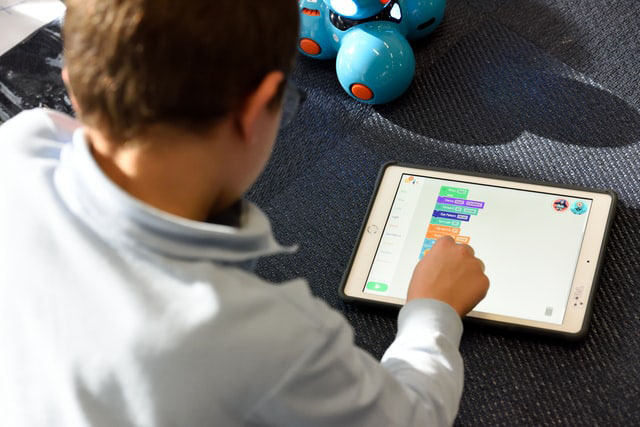
Chintu has become a household name ever since a start-up backed by major angel investors began flooding Indian digital media with advertisements promoting coding for kids. I was astonished to see these kid-focused coding start-ups become overnight success stories, which inspired me to write about this alarming trend. The overwhelming response from Indian parents to these ads is truly jaw-dropping. The primary reason behind the success of these start-ups lies in their aggressive marketing strategies and persuasive advertising. In this blog post, I share my perspective on why forcing young children to code is a misguided idea.
The Obsession with Producing the Next Tech CEO
Success stories of young Indians in the technology sector have dominated conversations in upper-middle and middle-class Indian households since the early 2000s. Many have moved on to lead comfortable lives in Silicon Valley, while others have carved out prosperous careers within India. This fascination with wealth and the promise of freedom from India’s chaotic socio-economic environment has sparked a race among millennial parents to turn their child into the next Satya Nadella or Sundar Pichai.
 How Start-Ups Are Exploiting Parental Aspirations
EdTech companies are capitalizing on these aspirations with their so-called innovative business models. They promise to teach children coding using buzzwords like artificial intelligence and machine learning. In reality, they charge hefty course fees to teach kids how to use their proprietary coding platforms. By the end of these online courses, many parents realize that building an app and attracting investors isn’t as easy as the advertisements make it seem. Yet, they cling to the hope of a miracle.
Sadly, some well-educated yet misguided parents continue to pressure their children to perform better in coding by enrolling them in additional courses. In either case, parents expose children to complex, college-level material far too early, which causes stress and hinders their overall development.
Coding Alone Is Not Enough
I am not against the concept of introducing coding to kids. Rather, I oppose the way it is being pushed onto children today. Developing a website, software, or app requires understanding the syntax of coding languages. But technical know-how alone is insufficient. Logical thinking and creativity are critical ingredients of successful coding. Unfortunately, many online coding courses for kids teach only syntax, which children can easily learn later in life.
The Missing Piece: Logical Thinking and Creativity
Logical thinking and creativity cannot be taught as straightforwardly as syntax. They develop naturally through observation, exploration, and experience. Without these foundational skills, online coding courses for children become redundant. Instead of rushing them into coding, we should encourage kids to engage with real-life problems and think through solutions before jumping to write code.
Avoiding Another Educational Bubble
If we fail to recognize the importance of fostering logical thinking and creativity, we risk repeating the mistakes made during the boom of English-medium schooling. Enrolling children in English-medium schools didn’t guarantee success; many graduates still found themselves in low-skilled jobs despite their education. We should ensure the same fate doesn’t befall the “coding generation.” Let’s avoid falling for false narratives in flashy advertisements and let Chintu remain Chintu—without the burden of unrealistic expectations.
LinkedIn | X (Formerly Twitter)
Image Courtesy: Photo by stem.T4L on Unsplash
Note: I challenged myself to write this entire blog post within just one hour. Everything you read above came from just one hour of effort.
